
The GA visits Sedbergh School, Cumbria
Report: The Gallipoli Association at Sedbergh School, Cumbria
Introduction
On 5 November 2025, the Gallipoli Association’s Educational Outreach Programme visited Sedbergh School, Cumbria, to deliver a presentation to Year 11 students. Sedbergh, with over 500 years of history, holds a unique connection to the Gallipoli campaign of 1915: nearly 60 former pupils served, of whom 27 lost their lives.
The Outreach Team comprised Mike Crane, Sophie Haworth, and Trustee Tom Iredale. They were welcomed by History Master Rupert Follett, who introduced them to the Cloisters before the session began.
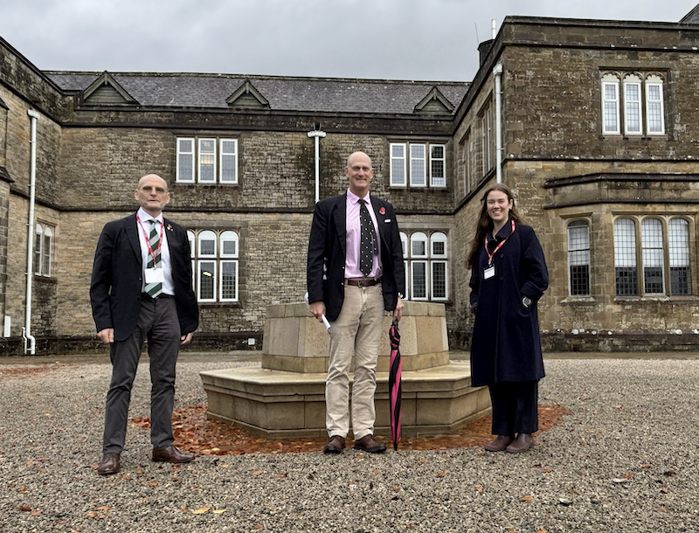
(L to R) Mike Crane, Rupert Follett & Sophie Haworth
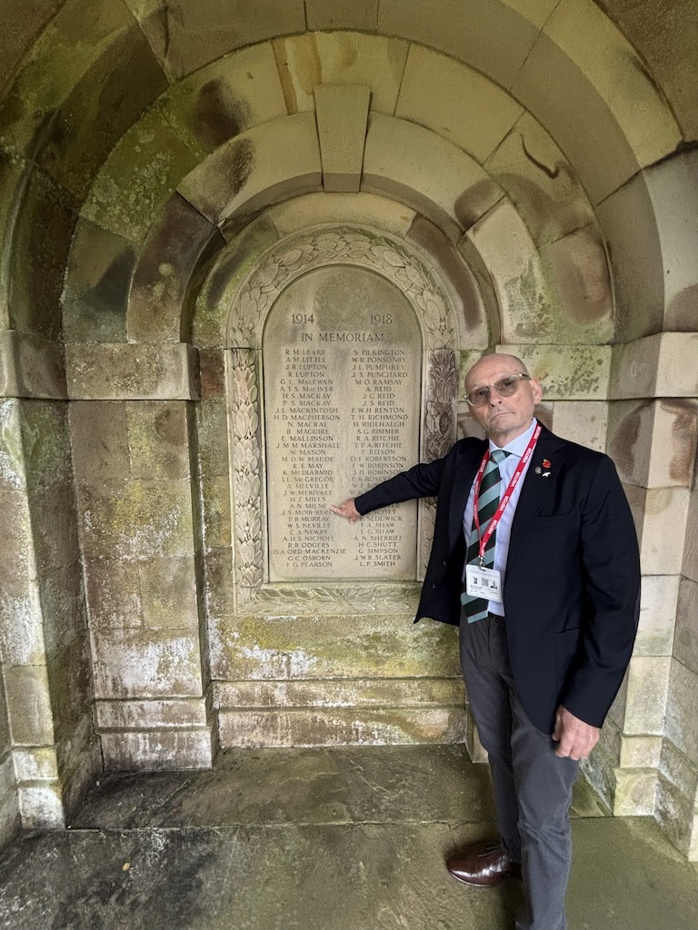
In the Cloisters, Mike Crane pointing to the name of Sedberghian, Captain AD Milne
Preparation and Materials
Students assisted in arranging seating while Mike and Sophie displayed the First World War artifacts and Tom managed the IT setup for the PowerPoint presentations. Each student received a 36‑page booklet summarising the Association’s mission, the Gallipoli campaign, and the stories of Sedberghians who fought there. Among those highlighted was 2nd Lieutenant Arthur Behrend, author of Make Me a Soldier.
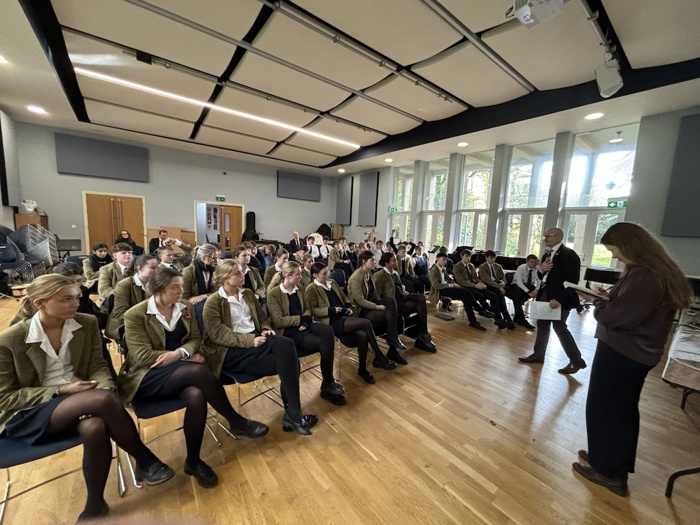
Sophie outlining the session’s programme
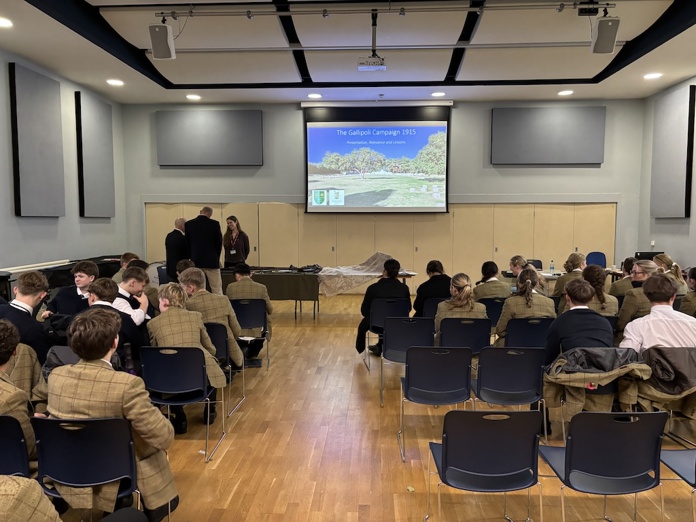
The set-up in the concert hall
Mission and Context
Following Rupert Follett’s introduction, Sophie outlined the “Order of Battle” for the session. Tom then explained the Association’s mission — To Remember, To Honour, To Study — emphasising the importance of engaging younger generations. He shared his personal connection, noting that his grandfather was killed at Gallipoli in May 1915, before presenting a concise overview of the campaign’s timeline and cost.
Soldiers’ Experience
Mike and Sophie delivered the main feature, focusing on the lived experiences of soldiers on the peninsula. Drawing on family connections — Mike’s grandfather survived, while his great‑uncle was killed in June 1915 — he explained the composition of the British Army in 1914–1915 (Regulars, Territorials, and the New Army). Topics included:
- The youngest soldier killed
- Ethnic diversity among Allied and Ottoman forces
- Harsh conditions: weather, terrain, shortages of water, rest facilities, and supplies
Sedberghians at Gallipoli
The team highlighted Sedbergh’s unique role in the campaign. Sophie read passages from Behrend’s Make Me a Soldier, recounting his narrow escape under Turkish fire. Other Sedberghians mentioned included:
- Captain A.N. Milne, 6th Manchesters, Mentioned in Dispatches (killed 7 August 1915)
- Captain A.L. Bryham, 5th Manchesters
Time constraints prevented further exploration of this rich legacy.
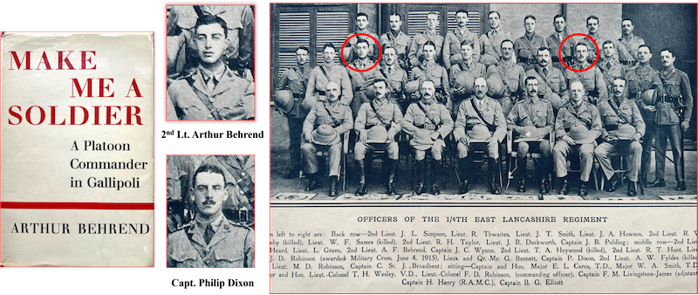
Two old Sedberghians who also fought at Gallipoli
Association Opportunities
Sophie then outlined opportunities offered by the Gallipoli Association, including the Essay Competition and School or Cadet Bursary Tours. She shared her own bursary experience to illustrate the impact of such initiatives. This was followed by a short Q&A session, with a prize for the best question, adjudged by Sophie.
Film Screening
A short dramatic film “Race against Time” produced by Mike Crane and the Helles Battlefield Study Team was shown, underscoring the importance of recording battlefield sites before they are obscured by vegetation or agriculture.
The Gallipoli Whistle Reenactment
The reenactment with student participation recalled Captain Herbert Sutcliffe of the 1/10th Manchesters, who led his men “over the top” during the Third Battle of Krithia on 4 June 1915. Guided by Mike Crane, Adam Sutcliffe, the Captain’s grandson, first commemorated this moment on 4 June 2015, exactly 100 years later, by blowing his grandfather’s whistle at the battlefield site.
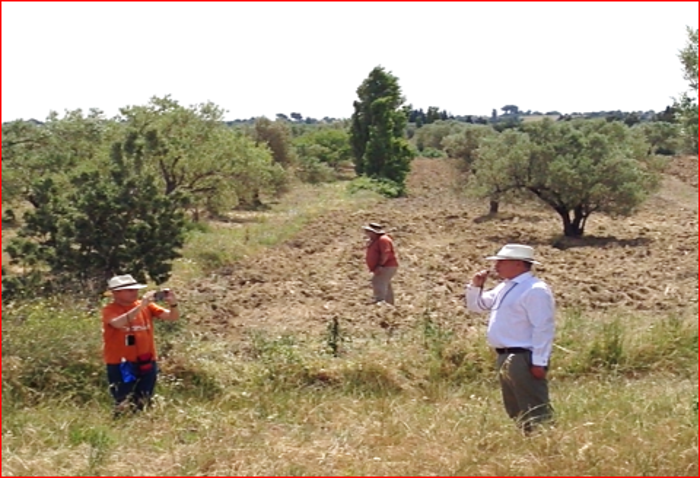
Adam Sutcliffe blowing his grandfather’s whistle on 4 June 2015
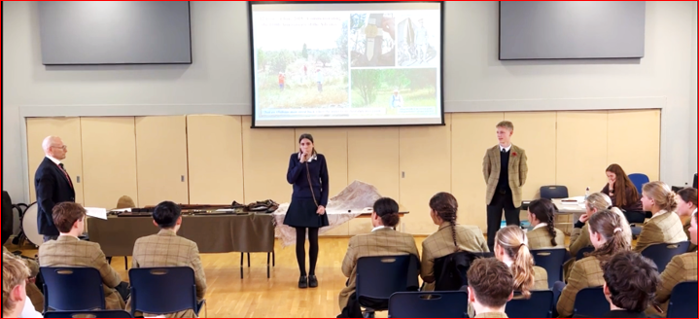
The reenactment at Sedbergh School
Conclusion
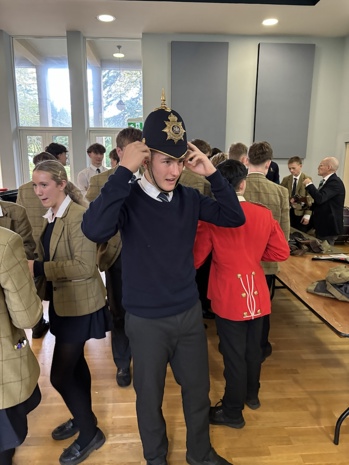
The hour‑long session concluded with thanks from Rupert Follett and warm applause from the students. Pupils then engaged directly with the artifacts, asked questions, and tried on Captain Sutcliffe’s dress uniform and helmet.
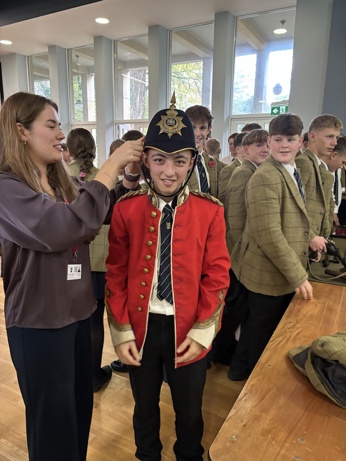
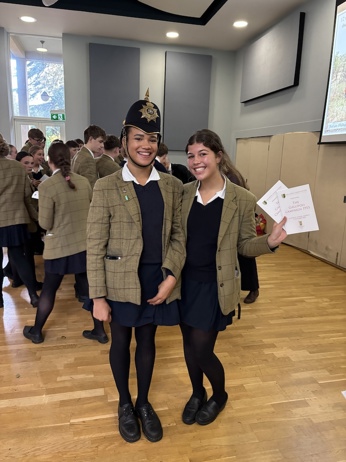
(Top) Exploring Dress Uniforms of the period
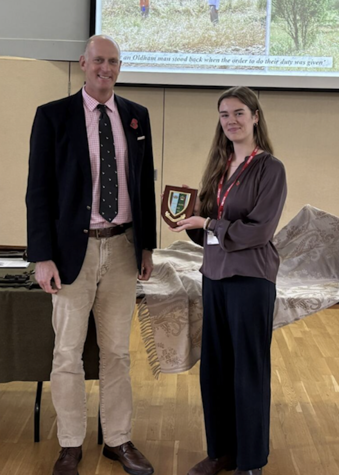
(Top L) Sophie presented Rupert with a GA wall plaque (Below) Group photo
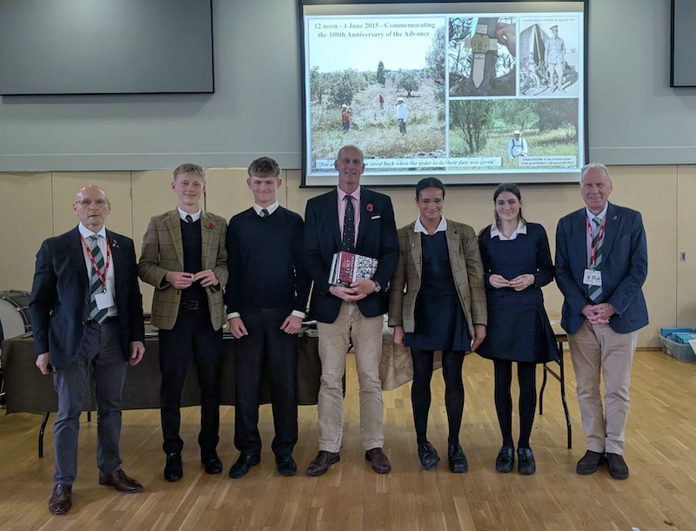
The visit successfully combined historical education with personal narratives, reinforcing Sedbergh School’s enduring connection to Gallipoli and the Gallipoli Association’s mission to ensure remembrance and understanding among younger generations. Feedback questionnaire sheets were then handed over to Mr Follett, for distribution and action by the students and return to the Team.
Feedback from a recent letter to the Educational Outreach Team following their presentation at Sedbergh School:
Thank you for a most memorable talk today.
To be honest I was expecting a great talk from subject matter experts. You surpassed my expectations even before you set foot in Sedbergh. The passion and inspiration was evident from the outset.
The level of detail you built into the talk was so impressive. It was wide ranging, personalised and the links you made to Sedbergh, young people, duty and remembrance made it very, very special.
Thank you for asking and answering questions. I am pleased the pupils responded.
The artefacts were extremely striking and the stories behind them, brought metal, wood and ribbons to life.
The booklet is an excellent resource. You have done my next two lessons for me. I owe you commission! The presentation books will be very well received by the school librarian, although not before I have read them first.
It was a pleasure to show you the Memorial Cloisters and the School Chapel. They are special places and serve as a visible reminder that our freedom came at a price that should never be taken for granted.
Rupert Follett
Housemaster & Head of History at Sedbergh School, Cumbria
---------------------------------------------------------------------------------------------------------------
Report by:
Thomas Iredale,
GA Trustee & Overseas Officer